Fluid dynamics
Trace flow paths around a geometry and examine how velocity and pressure change from inlet to outlet.

Explore how forces, fluid flow and temperature affect a design before committing to a prototype.
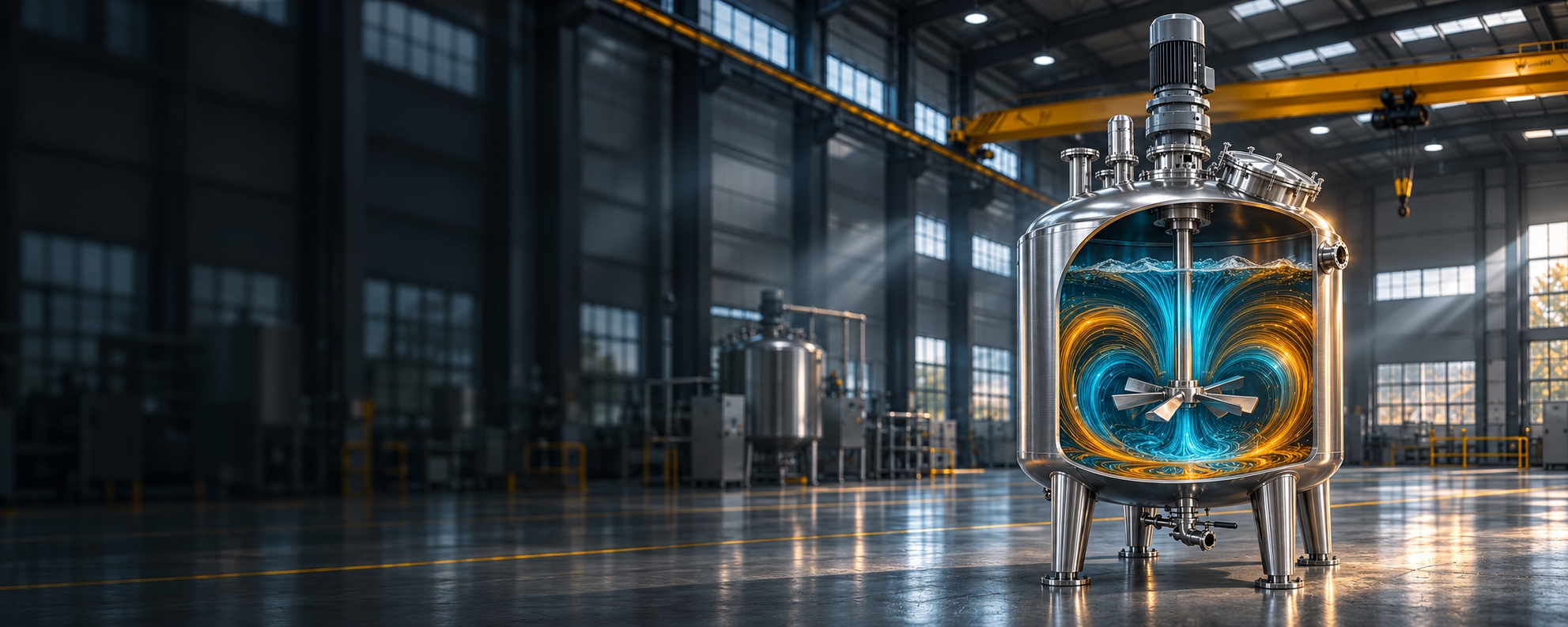
Our proposed UK partnership centres on CFD and the tools engineers use to investigate flow, heat transfer and design performance.
Trace flow paths around a geometry and examine how velocity and pressure change from inlet to outlet.
Explore how heat moves through solids and fluids, and where a design may need more effective cooling.
Compare geometry variants under consistent boundary conditions to understand the trade-offs before physical testing.
Compare alternatives under the same loads and operating conditions. A lighter component might use less material but deflect further in service. Comparing mass, stress and displacement helps the team decide which geometry to take forward.
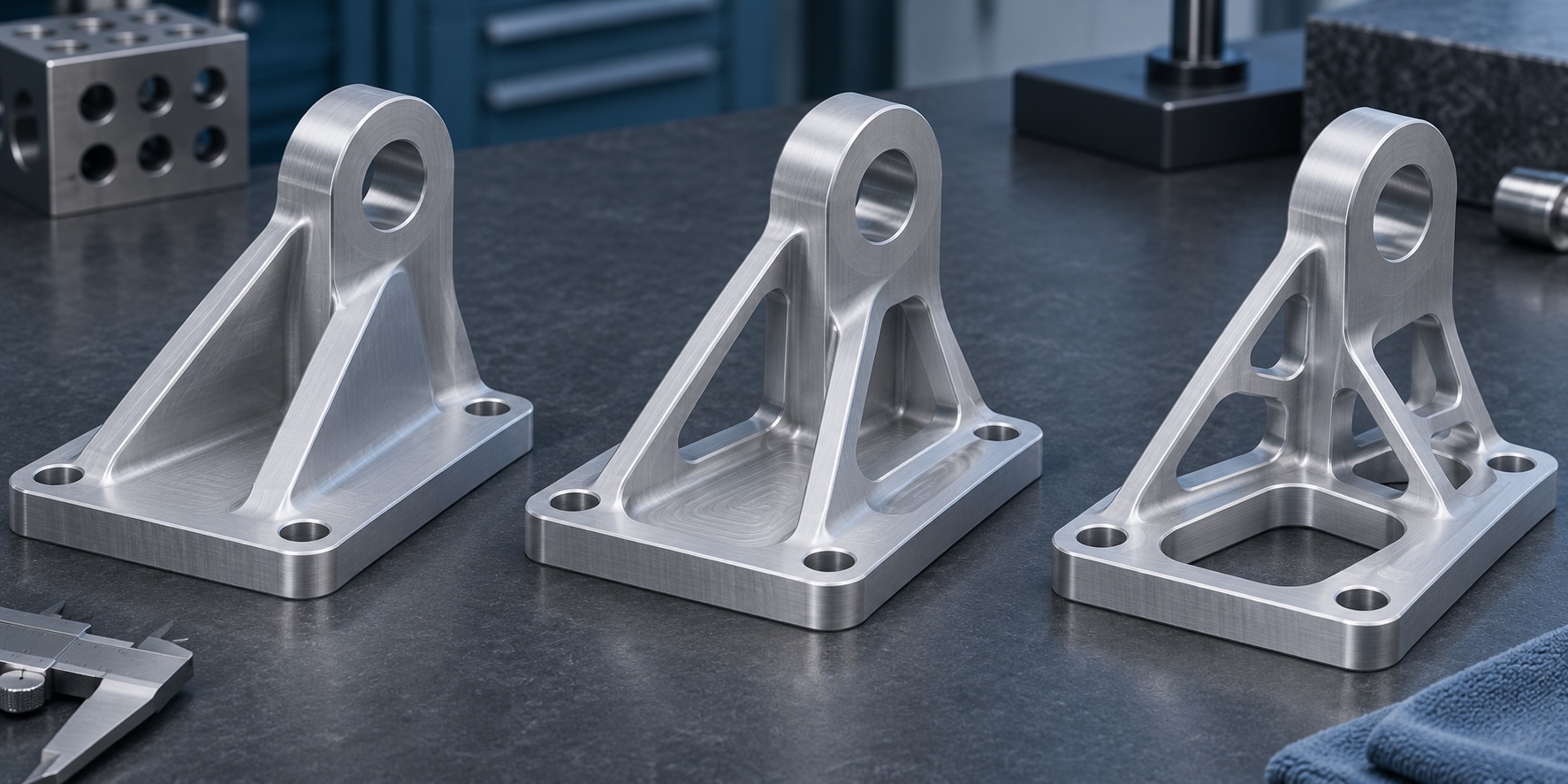
Physical prototypes carry costs for tooling, fabrication, instrumentation and test time. Simulation can help engineers screen options before commissioning hardware and focus testing on the uncertainties that matter most.
If two concepts perform similarly in normal service, testing at the edge of the operating range may reveal which has the stronger margin.
Start with the cost of the planned test programme. Estimate which trials the team could avoid, then include the engineer’s time, software, computing and model validation in the cost of simulation.
At project close, compare the estimate with actual spend. Track any schedule benefit separately so the same saving is counted once.
A new geometry or material can change several aspects of performance at once. For example, closer fin spacing increases surface area for cooling but can also restrict airflow. A coupled flow and heat-transfer study lets a team investigate that trade-off before building samples.
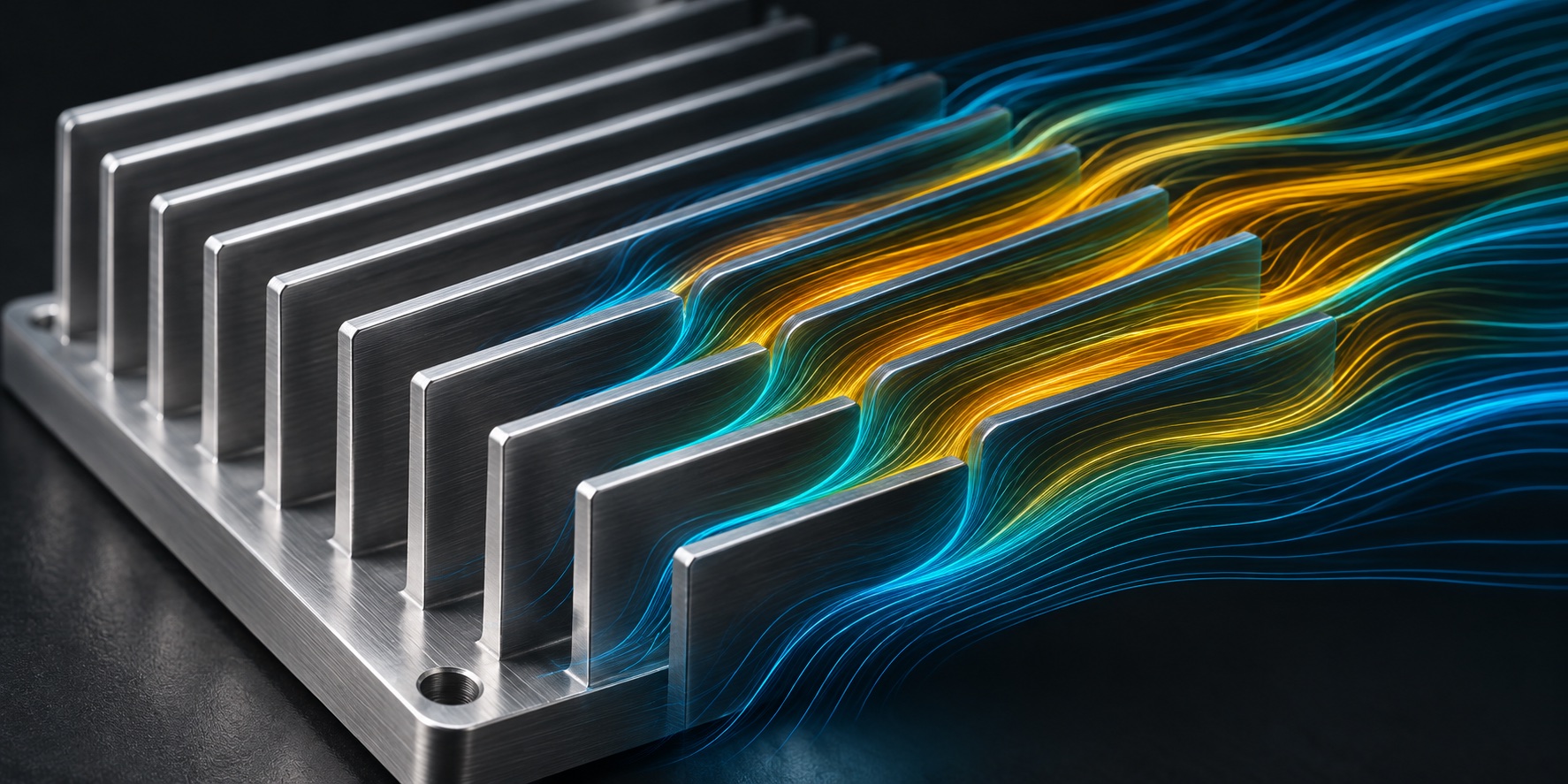
When a customer changes a load, temperature limit or operating range, a team with a validated model can revisit the design quickly. Engineers can check which assumptions still hold and identify the measurements needed to support a revised proposal.
Retaining the geometry, assumptions and test evidence makes that work reusable across future designs.
Meet the Simcise team